Vintage Charts Explained: How to Read the Form Guide
October 7, 2026
Every serious wine magazine publishes a vintage chart: a grid of regions and years, each with a score and a short note such as "drink now" or "hold". Used wisely, it is a useful starting point. Used blindly, it can lead you to pass over wonderful bottles from so-called off years.
What a vintage chart measures
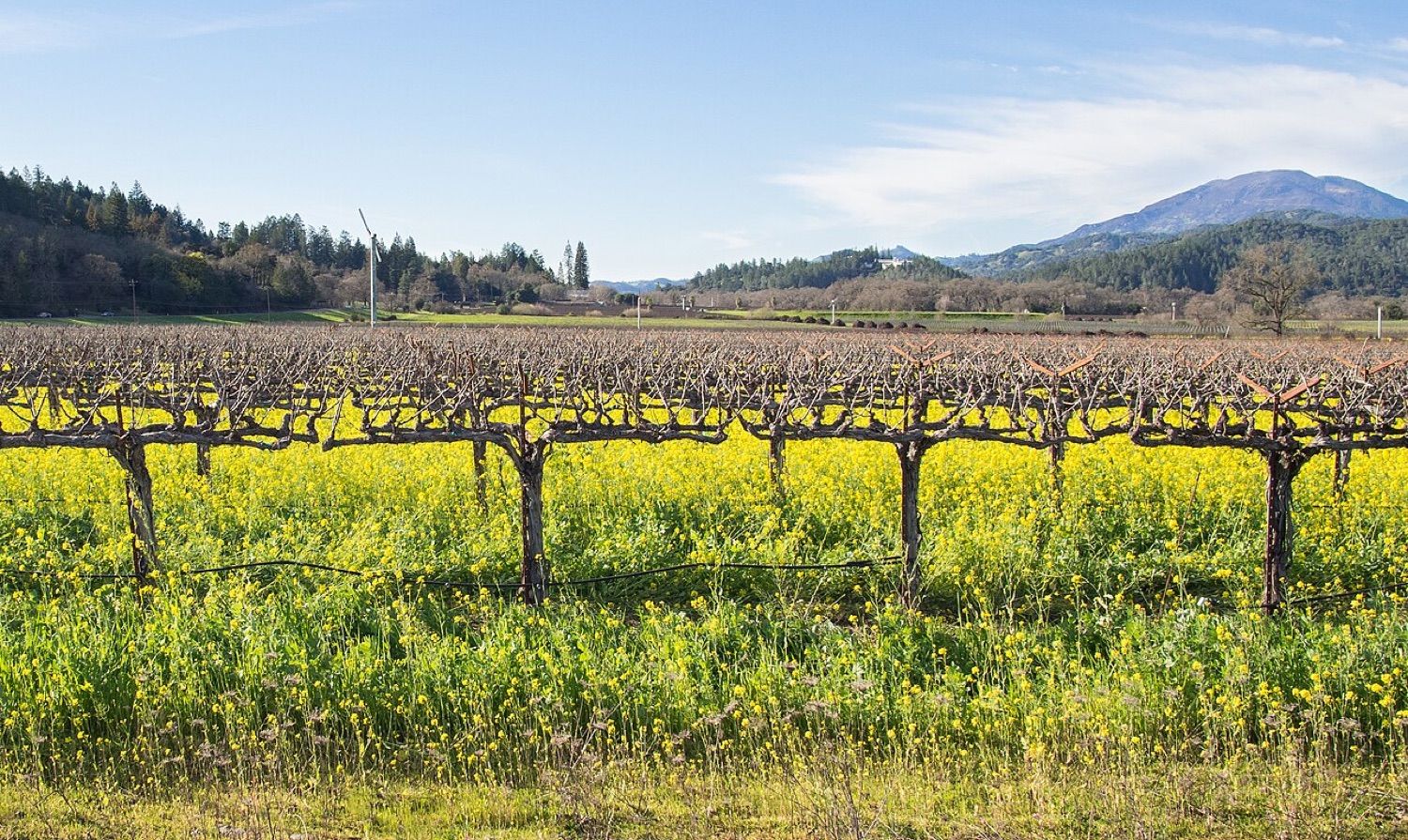
A vintage chart rates the overall quality of a growing season in a region. It is an average. In a large region such as Napa Valley, a cool, rainy autumn may hurt late-ripening valley-floor Cabernet while a well-drained hillside vineyard that picked before the storm does beautifully. Microclimate, the grower's skill and the harvest date all matter as much as the year on the label.
How the 100-point scale took over
The American 100-point scale was popularised from the late 1970s by the critic Robert Parker and adopted by many publications. In practice, scores run from about 50 to 100, and most wines that reach print sit between the mid-80s and mid-90s. A score of 90 is usually described as outstanding, 95 and above as classic. Competitions and other critics use 20-point scales or stars instead.
| Score | Common description |
|---|---|
| 95–100 | Classic, extraordinary |
| 90–94 | Outstanding, superior character |
| 85–89 | Very good to highly recommended |
| 80–84 | Good, sound wine |
Napa vintages in brief
Most critics agree on a few broad patterns for Napa Cabernet in recent decades. Warm, even years such as 2012, 2013, 2016, 2018 and 2019 are widely praised. Cooler, wetter seasons such as 2011 were more challenging, though some mountain sites did well. The fire years are a special case: in 2017 most grapes had been picked before the October fires, while in 2020 wildfire smoke led many producers to skip red wine bottlings altogether. Treat any one-line summary with caution and check what the producer says about its own site.
Reading a review
A good review tells you more than a number. Look for the drinking window, descriptions of tannin and acidity, and hints such as "should hit its stride in a few years" or "decant and enjoy now". A mountain Cabernet scoring 92 with "rich tannins" and "solid cassis" is a wine to cellar, not one to open tonight.
The chart as a form guide
Horse players study a form guide before a race; wine buyers study vintage charts before they spend. The comparison is closer than it sounds. Both condense a mass of past performance into a few numbers, both are used to estimate odds, and both can be beaten by people who look beyond the headline rating. Some of the best value in wine comes from strong producers in "average" years, just as some of the best value at the track comes from well-trained horses with modest recent form. Scores also move markets: a big number from an influential critic can raise the price of a young Bordeaux overnight, which is why buyers of futures watch the early barrel reviews so closely. We explain how that market works, and the risks, in wine auctions and the gamble of buying futures. And for the most famous time the form guide was completely wrong, read the Judgment of Paris and betting on vintages.
A vintage chart also helps at the casino restaurant. Faced with a thick list in a Las Vegas resort, knowing which Napa years are drinking well can turn an expensive gamble into a safe bet; see the great wine lists of Las Vegas casino resorts.