The Judgment of Paris and the Art of Betting on Vintages
August 25, 2026
If a London bookmaker had offered odds on the Paris tasting of 24 May 1976, California would have been priced as a rank outsider. A panel of mostly French experts, tasting blind, was expected to confirm the superiority of the great Bordeaux and Burgundies. Instead, Napa Valley won both the red and the white flights. The tasting became known as the Judgment of Paris, and it remains the most famous upset in the history of wine.
The set-up
The event was organised by Steven Spurrier, an English wine merchant who ran a shop and wine school in Paris, with his colleague Patricia Gallagher. They selected leading California Cabernets and Chardonnays and set them against top French wines of similar style, tasted blind by a panel of respected French figures from the wine and restaurant world. Only one journalist attended in person: George Taber of Time magazine, whose short report gave the event its name.
The result
| Flight | Winner | Notable placings |
|---|---|---|
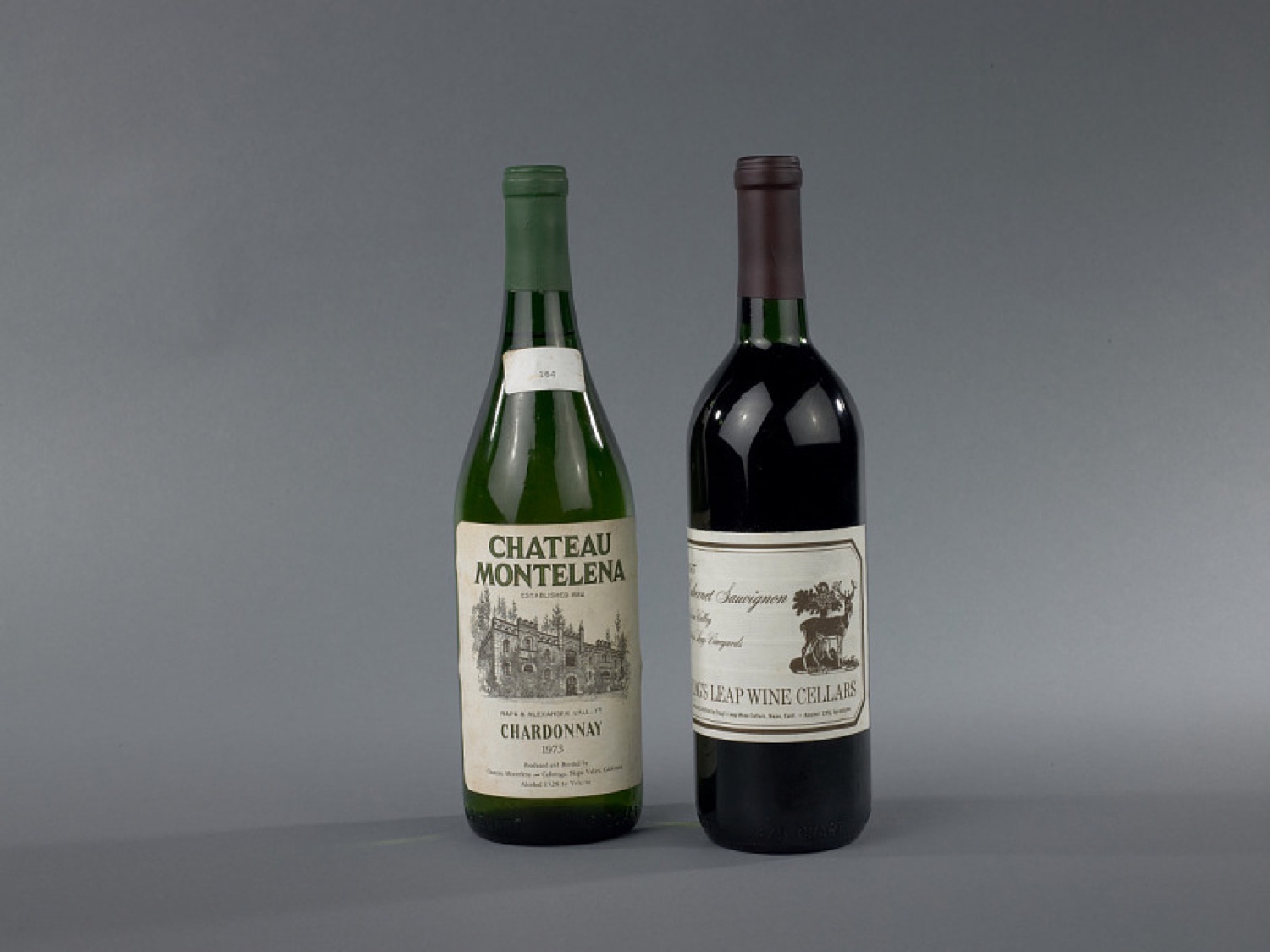
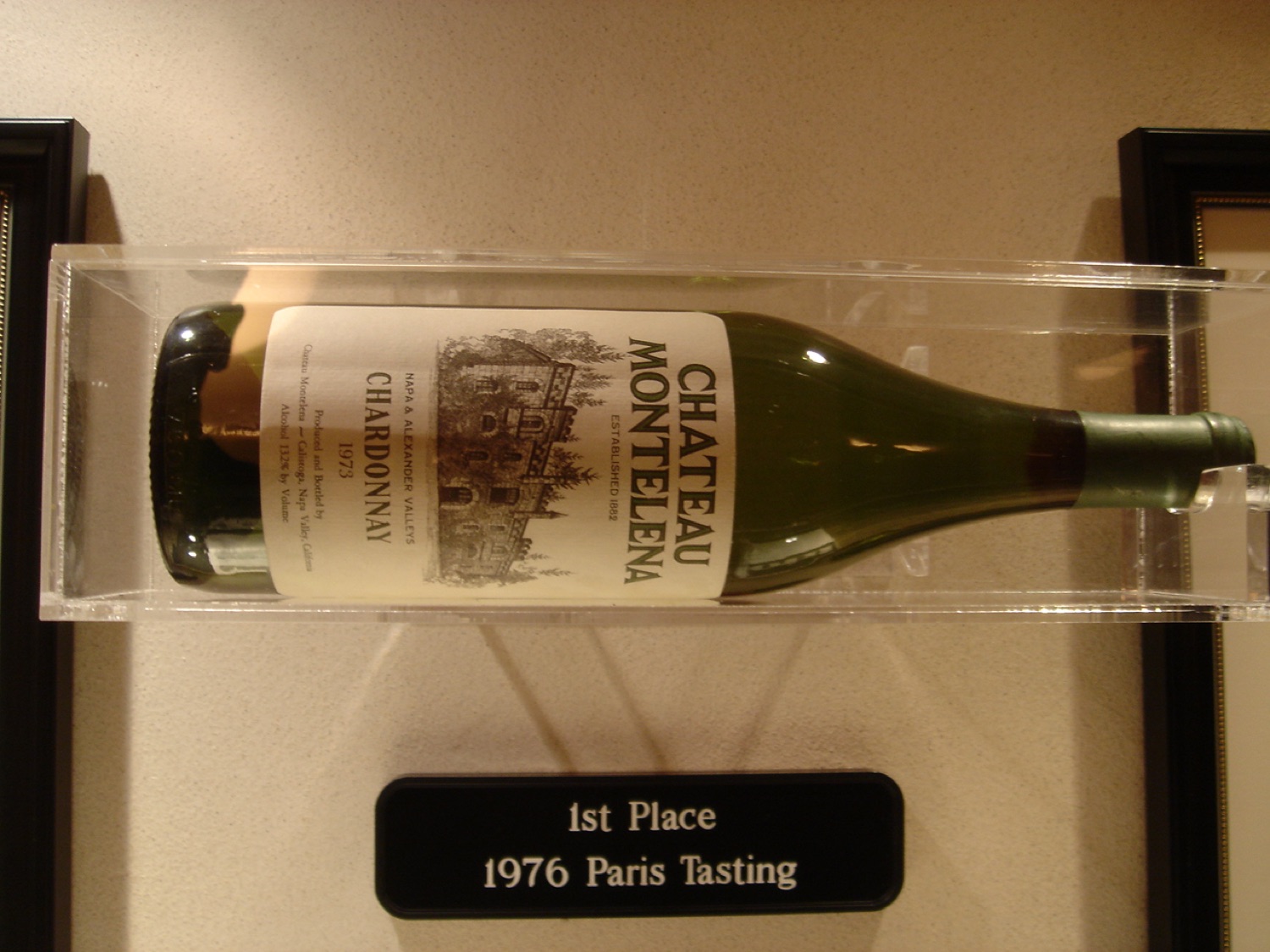
| White | Chateau Montelena 1973 Chardonnay (Calistoga, Napa) | Meursault-Charmes Roulot 1973 second; Chalone 1974 third; Spring Mountain Vineyard 1973 fourth |
| Red | Stag's Leap Wine Cellars 1973 Cabernet Sauvignon (Napa) | Château Mouton-Rothschild 1970 second; Montrose and Haut-Brion 1970 next |
For Spring Mountain the result had special meaning: a Chardonnay from the mountain finished fourth among ten whites, ahead of several famous Burgundies. Read more about the district in our Spring Mountain District guide.
Was it a fluke?
Statisticians and economists have since re-analysed the scores and pointed out that the margins were small and that a different scoring method could have changed some placings. Critics in France argued that young California wines would show well early but fade. That set up the longest-running bet in wine: would the Californians age? Rematches were held over the following decades, and at the thirtieth-anniversary tasting in 2006, California reds took the top places, led by the 1971 Ridge Monte Bello. The outsider had won again.
What upsets teach the wine bettor
Every serious bettor knows that markets overrate reputation. Bookmakers shorten the odds on famous names because that is where the money goes, which leaves value on the unfashionable side. Wine works the same way. The price of a bottle reflects the label's prestige as much as what is in the glass, and blind tastings strip that away. The lessons for anyone buying wine, or betting on it:
- Back quality, not fame. Lesser-known producers in strong vintages are the wine world's value bets; see vintage charts explained.
- Respect the ageing bet. Wines that are firm and tight when young, like many mountain Cabernets, can reward patience over decades.
- Trust blind evidence. Labels, prices and reputations bias judgement; tasting blind is the closest thing wine has to a level playing field, as we explain in blind tasting and poker.
The two winning bottles from 1976 are now in the collection of the Smithsonian's National Museum of American History, and the story inspired the 2008 film Bottle Shock. For the money that followed Napa's new fame, read wine auctions and the gamble of buying futures.