Chiles Valley and Napa Chardonnay
September 30, 2026
Most visitors never see Chiles Valley. It lies in the Vaca range east of St. Helena, reached by winding roads past Lake Hennessey, and it feels more like ranch country than wine country: oak-studded hills, cattle, a scattering of vineyards and very few tasting rooms.
The Chiles Valley AVA
Chiles Valley was approved as a sub-appellation of Napa Valley in 1999. It covers about 6,000 acres, of which roughly a thousand were planted to vines at the time, and the valley floor sits at around 800 to 1,000 feet, higher than the main Napa Valley floor. The valley takes its name from Joseph Ballinger Chiles, a pioneer who received a Mexican land grant here in the 1840s. Days are warm, nights are cool, and the elevation means that bud break comes later than in the main valley. Some large ranches here grow Cabernet, Syrah, Merlot and Chardonnay mainly to sell to other wineries, which is why the name appears on relatively few labels.
Chiles Valley at a glance
- AVA approved
- 1999
- Total area
- About 6,000 acres
- Elevation
- Valley floor around 800–1,000 feet
- Location
- Vaca Mountains, east of St. Helena and Lake Hennessey, west of Lake Berryessa
- Grapes
- Cabernet Sauvignon, Zinfandel, Merlot, Syrah, Chardonnay
Chardonnay from eastern Napa County
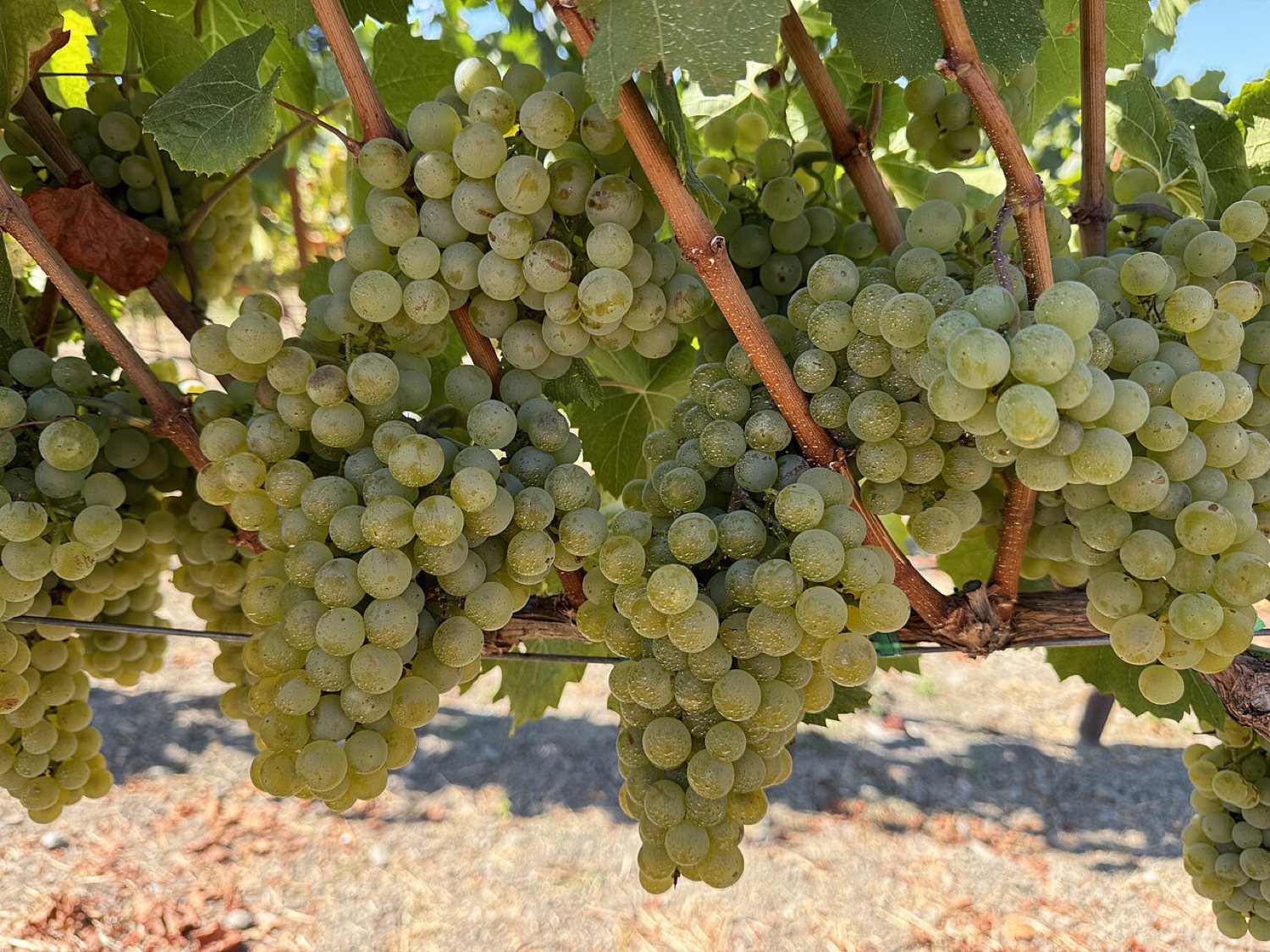
Chardonnay in Napa is best known from cool Carneros at the southern end of the valley, but the warm days and cool evenings of eastern Napa County can make a crisp, smooth, very drinkable style too. One approach that suits this fruit is to skip malolactic fermentation, which keeps green-apple and nectarine freshness instead of buttery richness, while barrel fermentation in French oak adds a creamy texture and a hint of toast. A Chardonnay made this way, from grapes grown around a ranch house or pool yard in the eastern hills, can be a delight with oysters straight off the grill on a summer afternoon.
| Choice | Effect on the wine |
|---|---|
| Malolactic fermentation | Converts sharp malic acid to softer lactic acid; buttery, rounder |
| No malolactic | Crisper, fruitier, green apple and citrus |
| New French oak | Toast, vanilla, creamy texture |
| Older barrels or steel | Purer fruit, less oak flavour |
Many vineyards replant to Cabernet
As Napa Cabernet prices climbed, many ranch owners in the eastern hills cleared Chardonnay to plant more Cabernet, a pattern repeated across the county. The same economics that pushed Sangiovese out of mountain vineyards, described in why growers replaced Sangiovese, have steadily shrunk Napa's white wine acreage outside Carneros.
Chardonnay's great upset, and a casino over the hill
Napa Chardonnay has a special place in the history of wine as a bet against the odds. In 1976 a Chardonnay from Chateau Montelena in Calistoga took first place among the white wines in the famous Paris blind tasting, beating some of the most celebrated names in Burgundy. Few would have backed it at any price beforehand. We retell the story in the Judgment of Paris and betting on vintages.
The back roads around Chiles Valley also lead somewhere unexpected. Follow Highway 128 east past Lake Berryessa towards the Sacramento Valley and then turn north, and in roughly an hour and a half you can reach Cache Creek Casino Resort in the Capay Valley, owned by the Yocha Dehe Wintun Nation, which also farms olives and makes its own olive oil in the same valley. It makes a scenic, if winding, way to combine a day in the eastern hills with an evening at the tables. Our guide to casinos in California wine country lists the other options around Napa and Sonoma.