Why Some Napa Growers Replaced Sangiovese
September 9, 2026
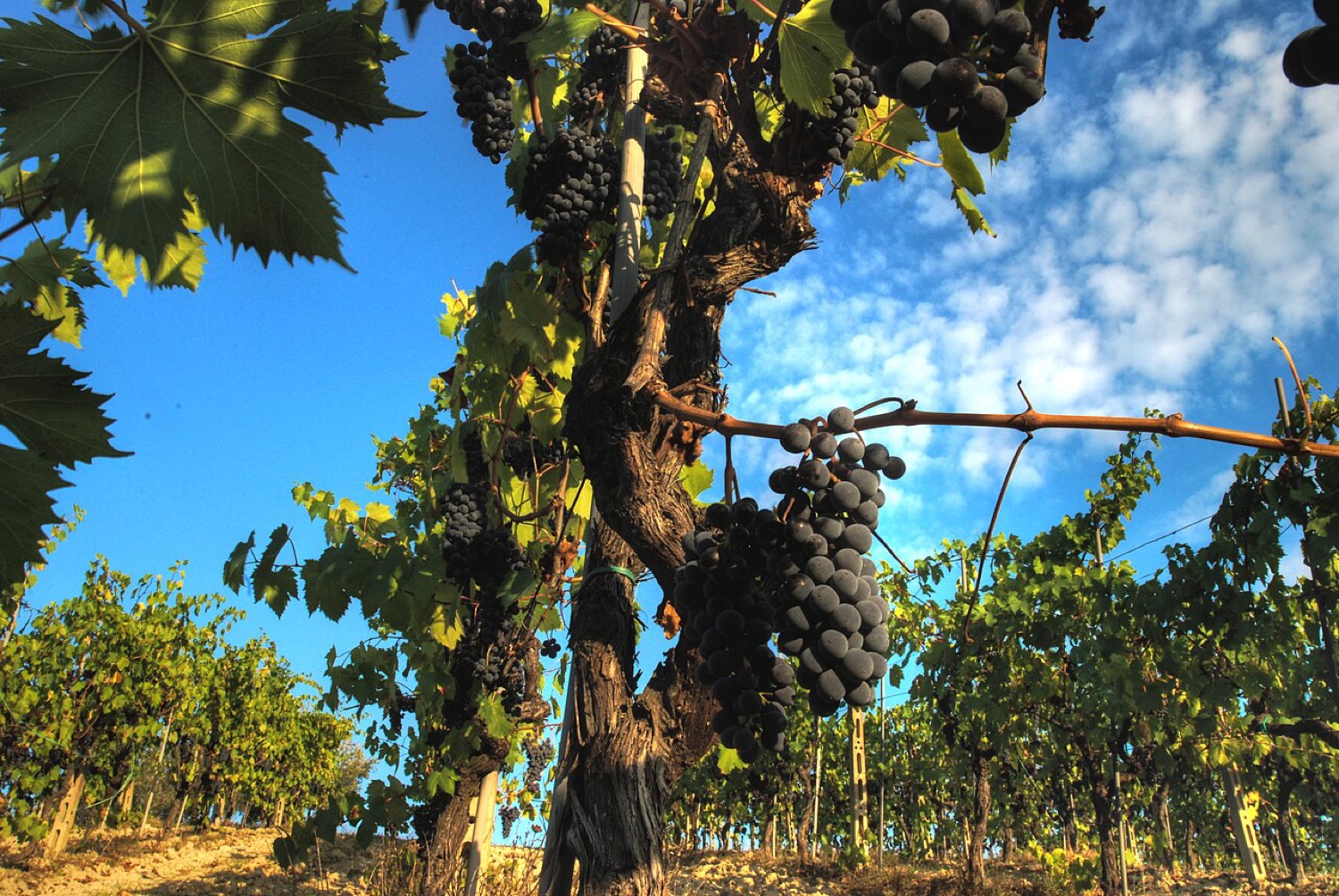
In the early 1990s Sangiovese looked like the next big thing in Napa Valley. Italian restaurants were booming, Super Tuscan wines commanded huge prices, and growers planted Tuscany's great red grape on valley floor and hillside alike. A decade later, many of those vines had been pulled out. Their story is a lesson in listening to the land and to the market.
The Cal-Ital moment
Sangiovese had grown in California since the nineteenth century, brought by Italian immigrants, but serious modern plantings began in the 1980s. In Napa, the Atlas Peak project backed by the Tuscan house of Antinori was among the best known, and a string of respected wineries released varietal Sangiovese or Sangiovese-Cabernet blends in the Super Tuscan mould. California acreage climbed quickly through the 1990s.
Why the vines came out
- The grape is fussy. Sangiovese is vigorous and sensitive to clone and site. Many early plantings used material poorly suited to California, giving pale, tart or simple wine.
- The price gap. In Napa, Cabernet Sauvignon sells for far more per ton than Sangiovese. On land this expensive, a block of "very good" Sangiovese earns much less than the same block planted to Cabernet.
- The market wavered. American drinkers were happy to order Chianti in a restaurant, but less sure what to expect from Napa Sangiovese at Napa prices.
- Better options on the hillside. On rocky slopes, growers found that Syrah or Cabernet simply made more exciting wine.
The pattern on many small mountain estates was the same: Cabernet and Syrah came in superb, the Sangiovese was very good, and very good was not good enough. Some growers harvested their last Sangiovese one autumn, pulled out the vines within weeks and replanted the block to Syrah. The final vintages became collectors' curiosities, and the new Syrah came into bearing three or four years later. We describe that grape in Syrah in Napa Valley.
Napa Sangiovese in the glass
- Colour
- Bright garnet-ruby
- Aromas
- Dried cranberry, cherry, tobacco, sage, red licorice
- Palate
- Medium to full body, tingling acidity, savoury mineral finish
- Best food
- Fig and pancetta salad, tomato sauces, roast pork, hard Italian cheeses
Folding a good hand
Poker players have a phrase for what those growers did: folding a good hand. A pair of tens is a perfectly decent hand, but against the wrong board the expected value of playing on is negative, and a disciplined player lets it go without regret. Replanting works the same way. The money already spent on Sangiovese vines is a sunk cost; the only question is which grape will earn more over the next twenty years. Growers who answered that honestly and replanted early generally did well. The parallels between vineyard decisions and card-table decisions go deeper than you might think, as we explain in blind tasting and poker: wine as a game of odds.
Is Sangiovese gone from Napa?
Not entirely. A few producers still make fine, distinctive Sangiovese, and the grape has found more stable homes in the Sierra Foothills and parts of the Central Coast. If you see an old Napa Sangiovese on a list, it is worth trying as a piece of valley history. Pair it as the Tuscans would, as suggested in food pairing with Napa wine.