Visiting Napa Valley and St. Helena: A Practical Guide
September 23, 2026
St. Helena is the small town at the heart of Napa Valley, a few blocks of Victorian storefronts on Main Street with vineyards running right up to the edge of town. Spring Mountain rises directly behind it to the west, the Vaca range to the east, and almost every famous Napa name is within half an hour's drive.
Getting your bearings
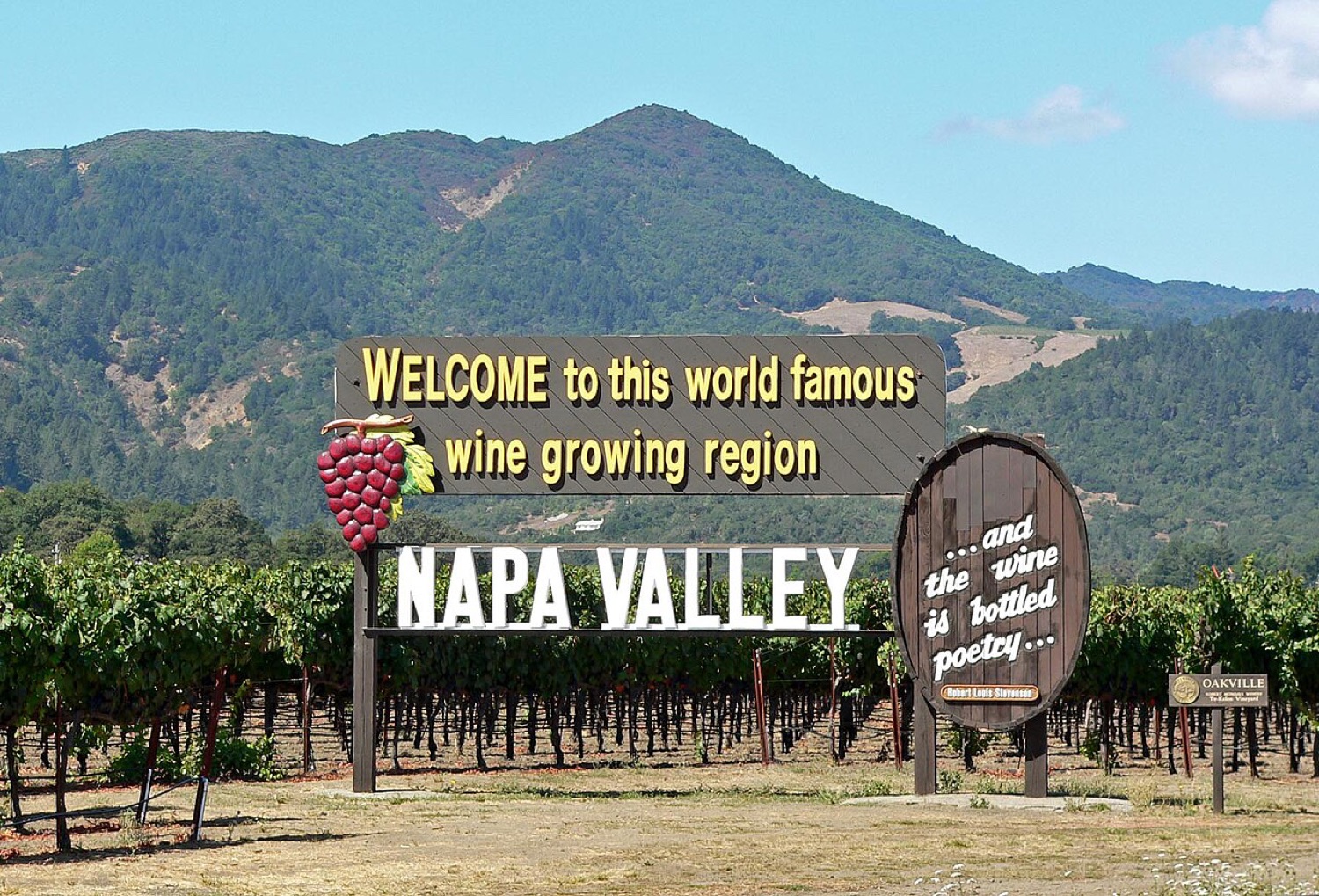
Napa Valley is about thirty miles long and only a few miles wide. Two roads run its length: Highway 29 on the west side, through Yountville, Oakville, Rutherford, St. Helena and Calistoga, and the Silverado Trail on the east side, which is usually quieter and faster. A handful of cross roads link them. Spring Mountain Road leaves Main Street in St. Helena and climbs west into the hills; it is narrow and winding, and on the mountain most wineries are small and receive visitors by appointment only.
When to go
- Harvest (late August to October): the busiest and most exciting time, with picking crews in the vineyards and fermentations in the cellars. Book well ahead.
- Winter and early spring: quiet, green and cheaper, with yellow mustard flowering between dormant vines. Many winemakers have more time to talk.
- June: traditionally the month of the valley's big charity wine auction, which fills hotels; see wine auctions and the gamble of buying futures.
Appointments, fees and how many stops
Most Napa wineries now require a reservation, and many smaller estates operate only by appointment under their county permits. Tasting fees are significant, and seated tastings often last an hour or more. Three visits in a day is plenty; two is better if one of them is up a mountain road. Hire a driver or nominate one, because the roads are busy, Napa County enforces drink-driving laws strictly, and the mountain roads demand full attention.
St. Helena in a day
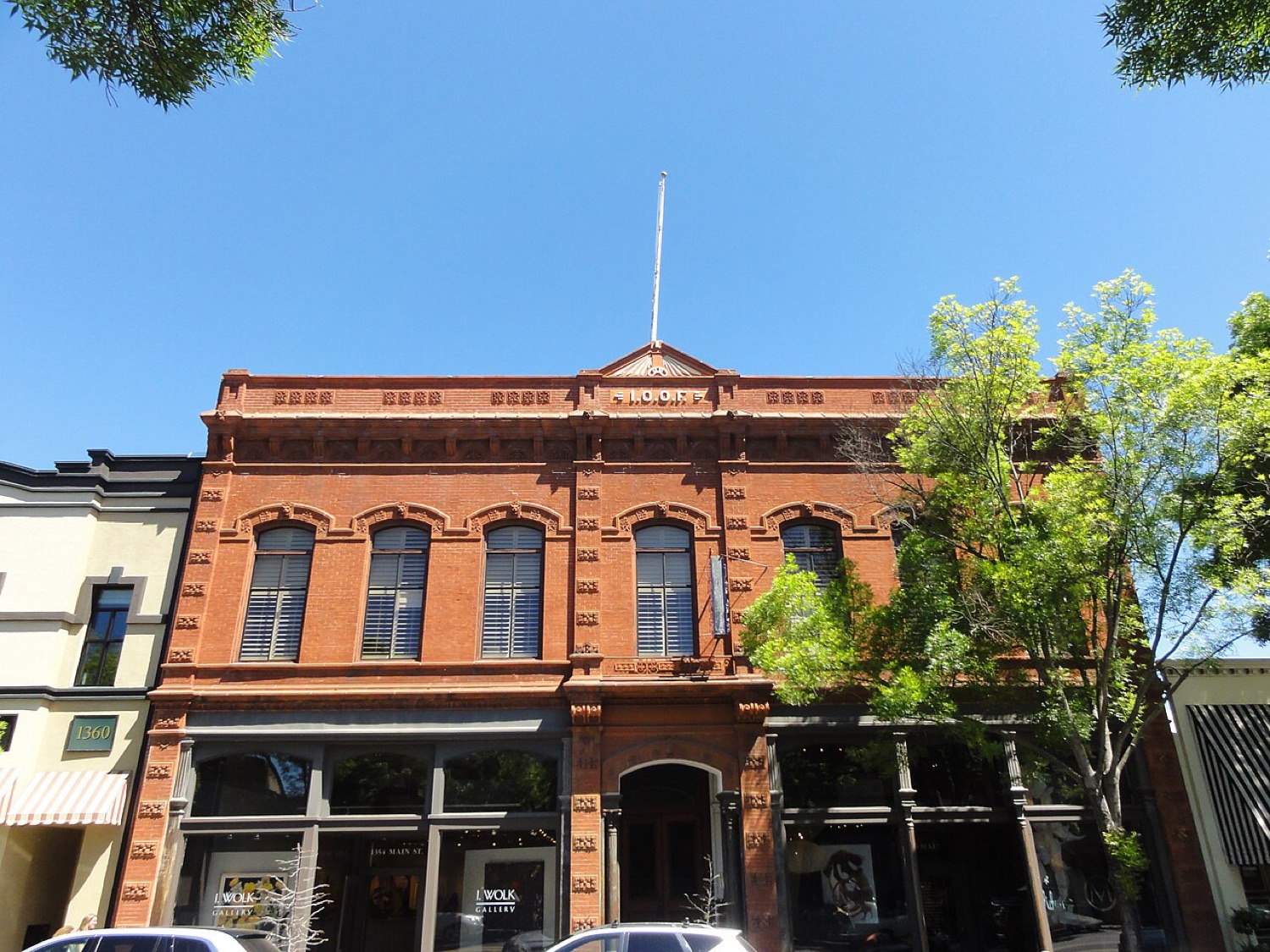
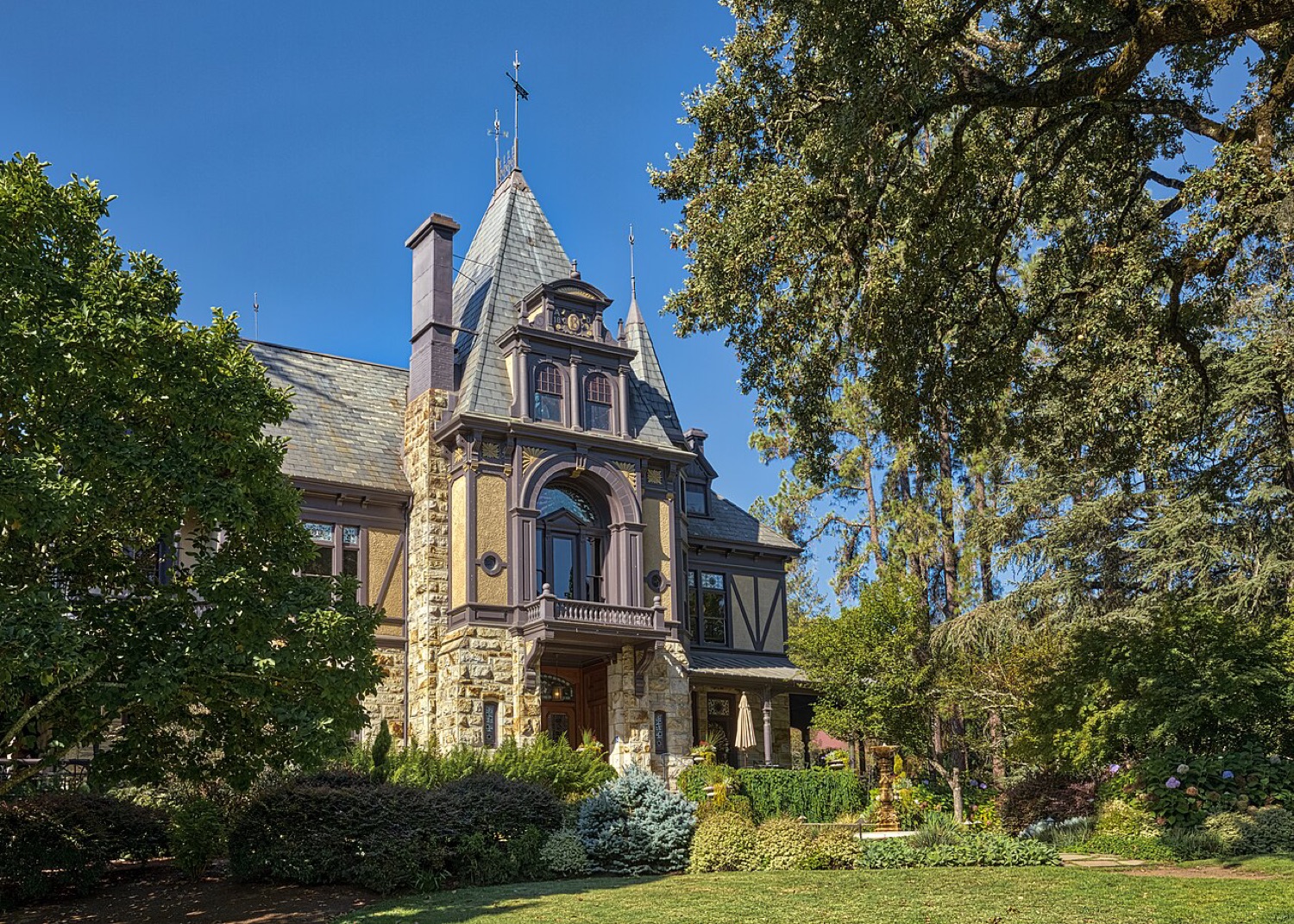
Main Street has wine shops, bakeries and restaurants in a row of nineteenth-century brick and stone buildings. At the north end of town stands the Rhine House at Beringer, a Victorian mansion of the 1880s on an estate whose founders began making wine in 1876, which is often described as the oldest continuously operating winery in the valley. Further north is the Culinary Institute of America at Greystone, in a massive stone former winery building. To the west, Spring Mountain Road leads up into the Spring Mountain District, where you can taste the mountain Cabernet and Syrah described in our Napa Cabernet guide and Syrah in Napa.
Casinos within reach of the valley
Napa County itself has no casino, but the valley sits in the middle of a ring of them, and many visitors combine a wine weekend with an evening at the tables. North of Calistoga, Highway 29 climbs over the shoulder of Mount St. Helena into Lake County and the town of Middletown, home of Twin Pine Casino & Hotel, run by the Middletown Rancheria of Pomo Indians. West over the Mayacamas, Graton Resort & Casino in Rohnert Park is the largest casino in Sonoma County, and River Rock Casino near Geyserville looks over the vineyards of the Alexander Valley. Each is roughly an hour or less from St. Helena by car, traffic permitting. Our guide to casinos in California wine country covers them in detail, and if you want to make a road trip of it, Napa to Reno and Lake Tahoe links wine country with Nevada's casino towns.
A good rhythm, which many regulars swear by, is to taste in the morning when palates are fresh, have a long lunch, rest, and only then head out for dinner and a few hands of blackjack. Ordering a Napa bottle from the casino's own wine list is a satisfying way to end the day; see sommeliers, high-limit rooms and casino restaurants for how those lists work.
Tip: pack a cool bag. Summer afternoons in the valley are hot, and bottles bought at a winery should not sit in a parked car for hours.