Small-Lot Winemaking: Gravity, Barrels and a Few Hundred Cases
August 28, 2026
A great deal of Napa's most interesting wine is made in quantities that would fit in a two-car garage. A five-acre hillside vineyard, a winemaker who rents space in someone else's cellar, a dozen barrels and a mailing list: that is the business model of hundreds of small producers.
From tons to cases
The arithmetic is simple. A ton of red grapes typically yields somewhere around 60 cases of wine, depending on the grape and how hard it is pressed. A standard French barrel, or barrique, holds 225 litres, which is 300 bottles or 25 cases. So a mountain block giving two tons per acre produces only around five barrels of wine per acre, and a whole five-acre estate might make fewer than 600 cases in a generous year. That is why so many hillside wines are released in lots of 100 to 300 cases, some even fewer.
Small-lot numbers at a glance
- 1 ton of grapes
- About 60 cases (720 bottles), varies
- 1 barrique
- 225 litres = 300 bottles = 25 cases
- 1 acre of mountain vines
- About 1–2 tons, so roughly 2–5 barrels
- A typical small release
- 100–300 cases per wine
Gravity flow and gentle handling
Many newer Napa cellars are built on several levels so that grapes, juice and wine move downward by gravity instead of being pumped. The idea is to minimise handling and aeration. Pumps can bruise fruit and introduce oxygen, which is a particular risk for white wines. Gentler handling, the theory goes, lets colour, fruit and richness develop more deeply and last longer. Not every winemaker agrees on how much difference it makes, but most small-lot producers use some form of it.
Barrels: seasoning, not flavouring
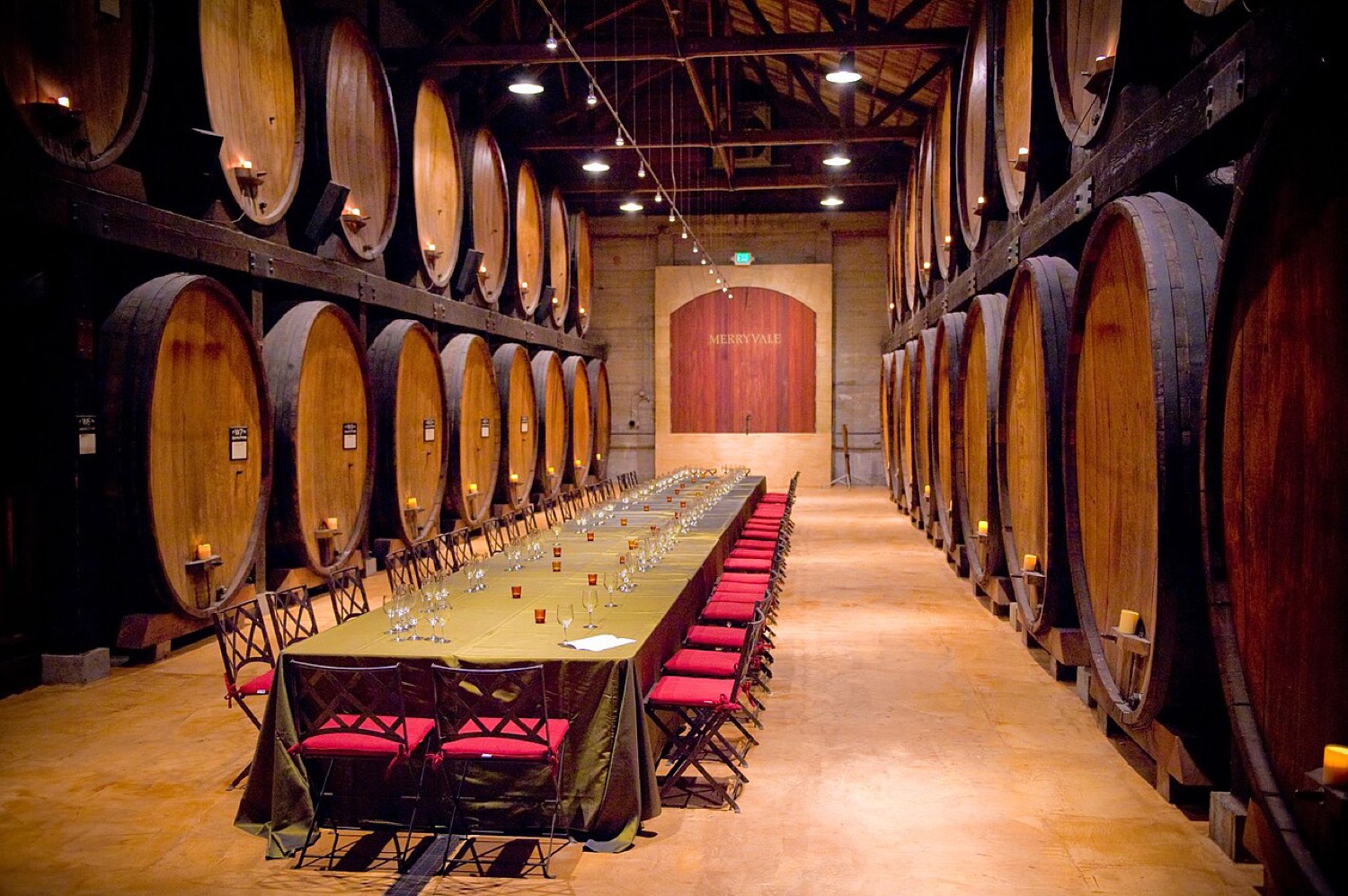
Oak should season a wine, not overwhelm it. Small producers obsess over cooperages, toast levels and stave thickness. Thinner-stave French barrels, for instance, are favoured by some winemakers to add complexity from oak without the oak hitting you over the head. The proportion of new barrels is another lever: 100 percent new oak for a powerful mountain Cabernet, perhaps a third new for Syrah, mostly older barrels for Chardonnay if freshness is the goal.
Science and intuition
The best small-lot winemakers tend to describe themselves as old school: they like to understand the chemistry and often run their own analyses rather than sending every sample to a lab. Yet they also insist that greatness comes from the process, from hundreds of small intuitive decisions during harvest and fermentation that no spreadsheet captures.
Custom crush: the winery you rent
Building a winery in Napa County is expensive and heavily regulated, so many small brands make their wine at custom crush facilities, shared cellars where several producers rent tanks, barrels and equipment and either work alongside the house team or hire it. A small label can move between facilities over the years, sometimes following its winemaker.
The mailing list lottery
Small production creates scarcity, and scarcity creates queues. The most sought-after Napa producers sell almost everything through mailing lists, with waiting lists that can take years to clear. Some producers, charity events and restaurants have even resorted to drawing names to decide who gets an allocation or a seat, a lottery in all but name. Once a wine is on the secondary market, small lots also make for dramatic auctions, because a single barrel lot can be the only chance to buy a wine at all. Napa's trade barrel auction, Premiere Napa Valley, sells one-of-a-kind lots of a few cases each, and we explain how it and other sales work in wine auctions and the gamble of buying futures.
Want to understand why a few rows of hillside vines yield so little? Read mountain viticulture. And for the high-limit restaurants where many of these bottles end up, see sommeliers, high-limit rooms and casino restaurants.